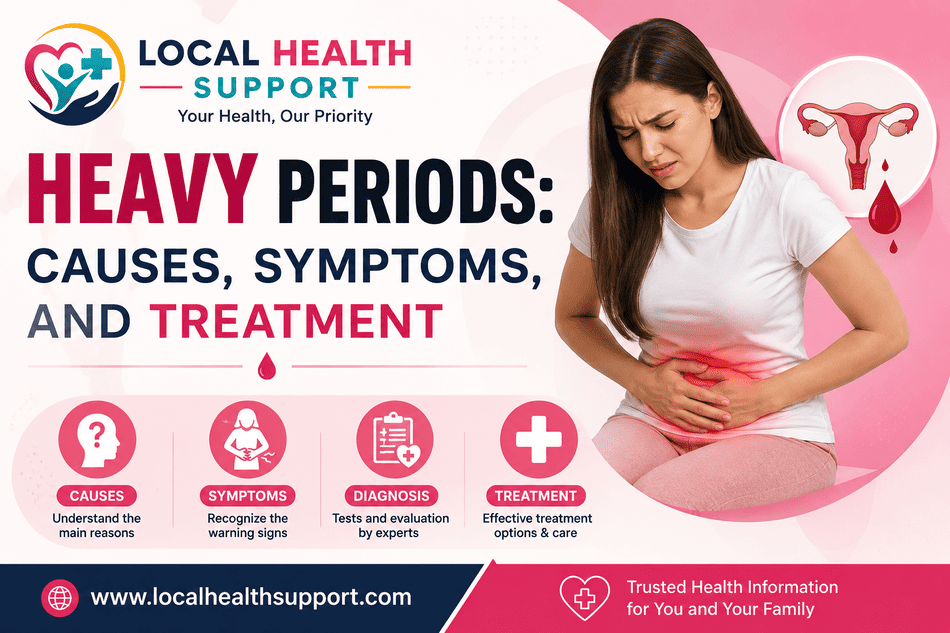
Heavy Periods: Causes, Symptoms, and Treatment
Heavy periods (menorrhagia) are bleeding that is heavier than usual or lasts longer than seven days. Heavy bleeding may not be a cause for concern if it occurs occasionally, but if it happens regularly, it can interfere with your life, and can be a sign of a health problem. Knowing the causes, symptoms and treatment options can help you to determine when to get medical advice.
What is Heavy Periods?
If you do any of these during a period, then it is a heavy period:
- Change one or more sanitary pad/tampons every hour for several hours.
- Need to use double protection to prevent leaks.
- Wake up at night to change sanitary products.
- Pass clots of blood bigger than a penny.
- Bleed for over 7 days.
- Feel tired or weak from loss of blood.
Heavy periods can be caused by a variety of factors
1. Hormonal Imbalance
Hormonal and ovulation alterations brought on by PCOS may also result in heavy or irregular periods.
2. Uterine Fibroids
These harmless tumours of the uterus can be the cause of prolonged and heavy periods.
3. Polyps
Growths in the uterine lining can cause irregular or heavy periods.
4. Adenomyosis
This is when the lining of the uterus grows into the muscle tissue, causing painful and heavy periods.
5. Polycystic Ovary Syndrome (PCOS)
Heavy bleeding might result from the uterine lining thickening excessively due to an imbalance between progesterone and estrogen levels.
6. Bleeding Disorders
For some people (people with von Willebrand disease) blood clots may be affected and lead to heavy periods.
7. Certain Medications
Heavy periods can be caused by blood-thinning medications, hormone medicines and some anti-inflammatory medications.
Symptoms of heavy periods
- Excessive menstrual bleeding
- Bleeding that lasts for longer than a week.
- Large blood clots
- Needing to change pads or tampons often.
- Swelling in the abdomen or severe menstrual cramps
- Anemia causing fatigue, dizziness or difficulty in breathing
Diagnosis
Your healthcare provider might suggest:
Medical history and physical examination.
Blood tests
Pelvic ultrasound
PAP test (if necessary)
Hysteroscopy or endometrial biopsy in certain cases
Treatment Options
Treatment will rely on the cause and symptoms of the condition.
- Medications
- Nonsteroidal anti-inflammatory drugs (NSAIDs)
- Oral contraceptives – birth control pills taken by mouth.
- Progesterone therapy
- Tranexamic acid
- If anemia is present, iron supplements should be taken.
Home Care Tips
- Consume iron rich foods like spinach, beans, lentils and lean meats.
- Drink plenty of fluids during menstruation.
- If you are feeling tired, get a good night’s sleep.
- Use a menstrual cycle chart or a cycle tracking app.
- Take your doctor’s advice regarding treatment.
Seek Medical Advice
Go to the doctor right away if you:
- Change one pad/tampon every hour for 2 or more hours.
- Bleed for more than 7 days.
- Have very painful hips.
- Become weak, faint, dizzy, or very weak.
- Be aware of bleeding between periods or after menopause.
Conclusion
Heavy periods are the norm but if they are affecting daily life or are persisting over a number of periods, they should not be ignored. If symptoms are managed, and a proper diagnosis is made and treatment is sought, then you can start to manage your symptoms and improve your health. If you have heavy bleeding for more than a month, speak with a licensed health care provider for an accurate diagnosis and treatment.
Local Health Support exists to deliver reliable, understandable and evidence-based health information that will enable you to make decisions about your health care. Follow Local Health Support’s trusted health advice on women’s health, medical guides and wellness updates.
Disclaimer
The information in this article is not intended to be a substitute for professional medical advice, diagnosis or treatment. Seek medical advice from an expert whenever you have any concerns about your period.
Popular Questions
1. How many days is a heavy period?
Heavy periods occur when you leak through one or more sanitary pad every hour for several hours or more, bleed for over 7 days or experience large blood clots often.
2. What causes heavy periods?
Periods may be heavy due to hormonal imbalance, uterine fibroids, uterine polyps, adenomyosis, polycystic ovarian syndrome, blood disorders and some medications. An evaluation by a doctor is suggested to determine what the true cause is.
3. Can heavy periods cause anemia?
Yes. Heavy bleeding periods can cause iron loss from the body, which can cause iron-deficiency anemia. Symptoms include dizziness, weakness, shortness of breath and fatigue.
4. When should I see a doctor for heavy periods?
If periods are longer than 7 days, pads or tampons need to be changed every hour, large blood clots are passed, severe pain in the pelvis occurs, or symptoms of anemia occur, it is advisable to consult a doctor