Early Signs of Pregnancy: Every Woman Should Know
Pregnancy is a wonderful journey and if women know early signs they will look for timely prenatal care. Physical and hormonal changes can be felt in the first few weeks after conception, though each woman’s experience is unique. These early signs of pregnancy can help you make your next steps towards having a healthy pregnancy.
What are the early signs of pregnancy?
Symptoms of early pregnancy typically begin 1-4 weeks after conception. Many women will have multiple symptoms, others will have only a few.
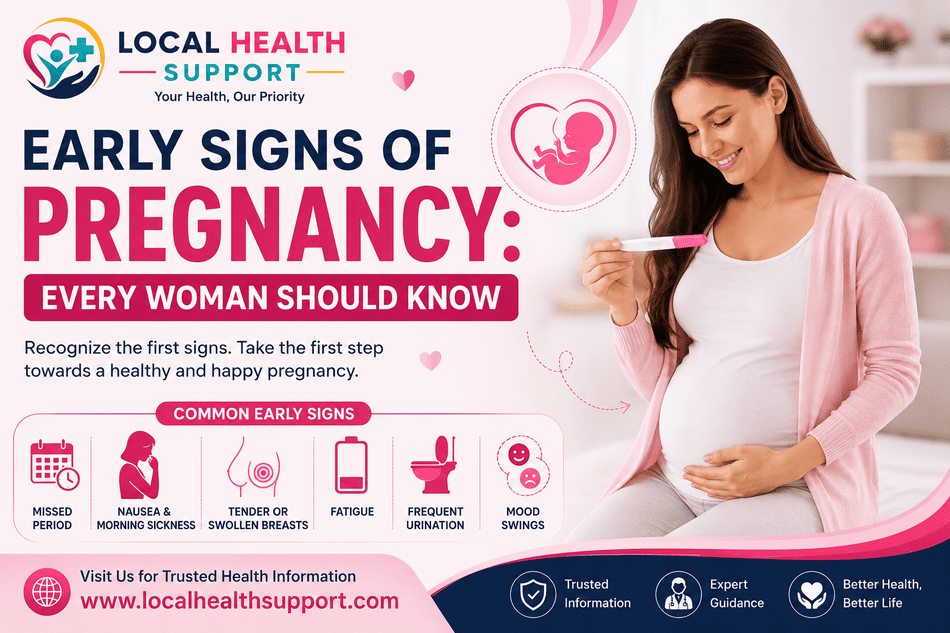
1. Missed Period
One of the earliest and most common symptoms of pregnancy is the absence of a period, particularly when women have regular periods.
2. Morning Sickness
Nausea and vomiting (morning sickness) can happen anytime during the day. Typically starts around the sixth week of pregnancy, and for some women, it could begin sooner.
3. Tender or swollen breasts
During hormonal changes there is an increase in blood flow to the breasts, leading to discomfort, swelling and/or heightened sensitivity.
4. Fatigue
Early pregnancy symptoms include tiredness. As the levels of progesterone rise, you may feel tired even when resting 8 hours.
5. Frequent Urination
Hormones may make you need to urinate more often as your blood volume expands.
6. Light spotting or implantation bleeding
Light pink or brown spotting occurs around 6-12 days after conception for some women. This is called implantation bleeding and it is lighter than a normal period.
7. Mild Cramping
Any early pregnancy will lead to a light cramp in the abdomen if the egg is implanted in the uterus.
8. Do not eat if you get a craving or aversion to it
Food cravings or avarice might suddenly occur to eat certain foods or detest some foods that were once liked or enjoyed by you due to hormonal changes.
9. Mood Swings
Emotional sensitivity, mood swings and irritability may occur as a result of the sudden change of hormones during early pregnancy.
10. Enhanced sense of smell
The sense of smell is heightened in early pregnancy, and that may also make women nauseous.
11. Bloating
As hormones change, digestion slows and bloating occurs, like during a woman’s period.
12. Headaches and Dizziness
During early pregnancy, you may experience mild headaches or dizziness as a result of the changes in hormones and increased blood flow.
When Should You Take a Pregnancy Test?
Take the most accurate home pregnancy test by using the urine from the first morning, if you think you may be pregnant because you missed your period or are experiencing other early signs of pregnancy. If the test is positive, make an appointment with your health care provider to confirm the pregnancy and to start prenatal care.
When to See a Doctor
If you do have any of the following, please consult your doctor:
- Have a positive pregnancy test.
- Have intense cramps in the abdomen.
- Have heavy periods of blood loss.
- Experience ongoing dizziness or fainting.
- Have intense vomiting, such that they can’t eat or drink.
Tips for a Healthy Early Pregnancy
- Start taking prenatal vitamins with folic acid.
- Follow a well-balanced and nutritious diet.
- Be sure to consume plenty of water.
- Do not use alcohol, cigarettes, or drugs.
- Get enough rest and sleep.
- Take prenatal care visits on a regular basis.
Conclusion
Being aware of early signs of pregnancy can lead to timely medical attendance and optimum pregnancy health from the onset. The signs and symptoms range from person to person but some of the early warning signs are a missed period, nausea, fatigue, and breast tenderness. If you think you might be pregnant, do a pregnancy test and get medical advice to confirm and advise you.
We are committed to delivering accurate, understandable and trustworthy health information at Local Health Support. We are here to assist you in making decisions about your health and wellness. Connect with Local Health Support to gain dependable women health tips, pregnancy guides and expert-backed wellness information.
Disclaimer: This article is not intended to replace a medical diagnosis, treatment, or advice. Consult a trained health care professional for pregnancy-related issues.
People Also Ask
1. What is the first sign of pregnancy?
The most common first signs of pregnancy is a missed period. Other early symptoms may include nausea, breast tenderness, fatigue, and frequent urination.
2. How soon do pregnancy symptoms start?
Some women notice symptoms as early as 1–2 weeks after conception, while others may not experience noticeable symptoms until 4–6 weeks of pregnancy.
3. Can I be pregnant without having morning sickness?
Yes. Not every pregnant woman experiences morning sickness. Some may have only mild symptoms or none at all during the first trimester.
4. How can I confirm if I am pregnant?
The best way to confirm pregnancy is by taking a home pregnancy test after a missed period. A healthcare provider may also confirm pregnancy through a blood test or ultrasound.
5. When should I see a doctor after a positive pregnancy test?
You should schedule your first prenatal appointment as soon as you receive a positive pregnancy test. Early prenatal care helps monitor your health and supports your baby’s healthy development.