What to Eat During Periods to Reduce Pain and Weakness?
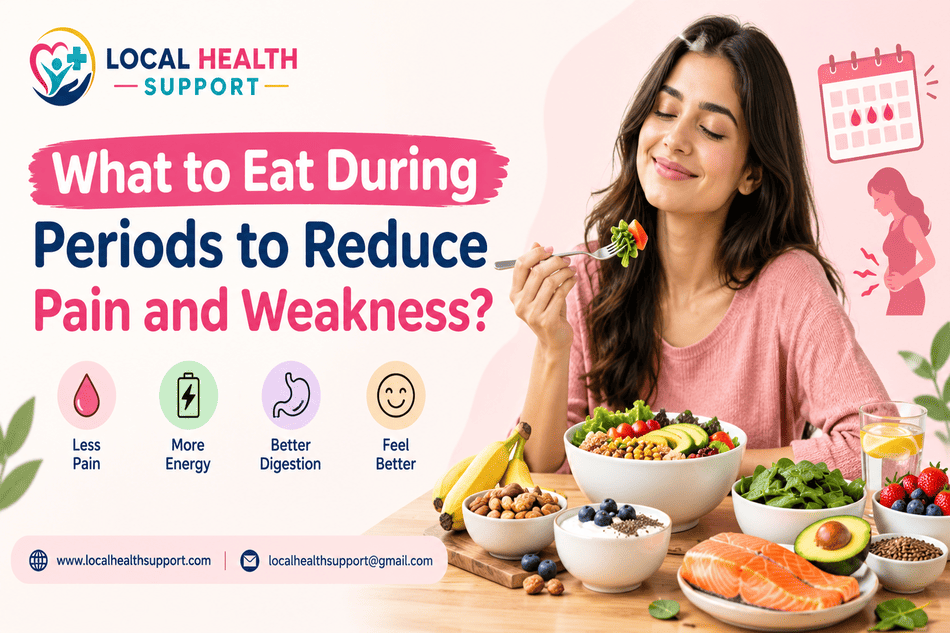
What to Eat During Periods to Reduce Pain and Weakness? – Cramps, tiredness, bloating, headaches, mood changes and weakness are all symptoms of periods. Food is not a cure for period pain, but it can help make a meal full of nourishment to help you feel better, hydrated and full of energy. During menstruation, the proper balance of iron, magnesium, calcium, protein, healthy fats and complex carbohydrates can be particularly beneficial.
During periods, you should steer clear of too many foods, and opt for less processed and more balanced meals and plenty of fluid.
So what are the best foods to eat while having periods for cramps?
Some foods can supply nutrients that might help maintain muscle health and help control inflammation.
1. Leafy Green Vegetables
Leafy greens such as spinach, kale and fenugreek leaves are rich in iron, magnesium, folate and more. Menstrual bleeding can cause a loss of iron, which is why iron is important.
Consider incorporating leafy greens into your dal, soups, vegetables or smoothies.
2. Bananas
Bananas are easily digested, and are rich in potassium, magnesium, and carbs. They’re easy to eat when you’re not up to eating a full meal.
For extra texture, pair with yogurt, nuts or peanut butter.
3. Nuts and Seeds
Almonds, walnuts, pumpkin seeds, chia seeds, and flaxseeds are rich in magnesium, healthy fats, protein, and other nutrients.
A few will make a good snack between meals. Seeds can also be incorporated into smoothies, oatmeal or yogurts.
4. Whole Grains
Complex carbohydrates and fiber are found in oats, brown rice, whole-wheat roti, quinoa and other whole grains. They can be a source of more sustained energy release than very refined foods with carbohydrates.
Combining foods that help with cramps and weakness with whole foods and protein is helpful when foods that help with cramps and weakness are experienced.
5. Fatty Fish
Oily fish like salmon, sardines and other fish are rich in the omega-3 fatty acids in addition to protein. Eating fish as an integral part of a well-balanced diet can offer some valuable nutrients during menstruation.
Plant sources of omega-3 fats include walnuts, chia seeds and flaxseeds for vegetarian diets.
7. Other Calcium-Rich Foods
Calcium and protein can be obtained from yogurt, milk, paneer or fortified dairy products. The foods can be added to meals or snacks as you like.
When possible, pick unsweetened or low sugar versions.
7. Lentils and Beans
Legumes, such as dal, chickpeas, kidney beans, and black beans are good sources of protein, iron, magnesium, and fiber.
Plant based iron is more readily absorbed when combined with foods that are high in vitamin C, like tomatoes, oranges, guava or lemon.
Rick and Monica: What to eat during periods to reduce pain and weakness?
Don’t stick to one particular food, but try to eat a balanced diet throughout the day.
You might have one of the following:
- Snack: Apple with peanut butter and dipping tray of nut and seed mix
- Lunch: Dal and roti/brown rice with leafy vegetables and yogurt
- Snack: Fruit and a few almonds/walnuts
- Lunch: Paneer, tofu, chicken or fish with vegetables and whole grains
- Snacks: Unsweetened, non-carbonated drinks like water, soups or unsweetened herbal drinks.
Regular feeding can also help avoid the long periods of time between meals that could make tiredness seem worse.
Here are some easy tips for combating period fatigue
If tiredness is your primary worry, focus on foods rich in iron, protein, complex carbohydrates, vitamin B12 and folate.
Lentils, beans, leafy green vegetables, tofu, eggs, meat and seafood are all rich in iron. For women who have heavy bleeding periods and significant fatigue, it may be helpful to consider iron deficiency or anemia, in addition to dietary changes, with a member of the healthcare team.
Eggs, dairy, paneer, tofu, legumes, chicken, fish, nuts and seeds are good sources of protein. Combination of protein with complex carbohydrates can help make meals more filling and aid in maintaining energy stability.
What Kind Of Foods To Avoid During Periods?
It’s not a must to steer clear of any specific food, but some may cause more symptoms.
Consider limiting excessive:
If you’re prone to bloating, then avoid highly salty foods, especially if they’re high in sodium.
- Sugary drinks and sweets,
- Highly processed foods
- Too much caffeine if it makes anxiety, sleeping or discomfort worse
- Foods that can cause dehydration such as alcohol, and may alter your perception of how you feel.
The most important thing to remember is to pay attention to the way your body reacts to foods.
Will hydration be beneficial during periods?
Yes. It is important to stay hydrated, particularly if you feel bloated, headache or tired.
Take water throughout the day. Other foods that are high in water, such as soups, fruits and vegetables will also help you keep up your fluid balance.
Conclusion
By understanding what to eat during certain times of day and month to alleviate pain, you might be better equipped to make healthy dietary decisions when you need them most. Prioritize nutritious eating patterns with vegetables, legumes, whole grains, fruits, nuts and seeds, protein, dairy, and fluids. These choices may help the energy and are also significant nutritional sources during menstruation.
Local Health Support can provide more information about health and nutrition, which can be helpful in learning how to maintain healthy habits. Keep in mind that if the bleeding is heavy, comes with weakness or is severe, or if the periods are painful, seek medical help.
Please note: This blog is intended for informational and educational purposes only. It does not replace the advice, diagnosis or treatment of a medical professional. If symptoms are severe, such as significant pain, heavy bleeding, weakness or dizziness, seek expert medical advice.
FAQs
Which food would you choose for the time of cramps?
While certain foods might be better than others, there is no one right food for everyone. Fruits and vegetables that are rich in magnesium, such as leafy greens, nuts, seeds, and legumes, and balanced dinners with protein and whole grains can be a good option.
What to eat if I am feeling weak in between my periods?
Select foods rich in iron, protein, complex carbohydrates and vitamin-rich fruits and vegetables. These include dal with rice, eggs with whole grain toast or yogurt with oats and fruit.
Are bananas good for period weakness?
Bananas are rich in carbohydrates and minerals like potassium and magnesium, making them a great supplement to a healthy diet. They should be included in the context of a healthy eating plan, however.
Is it OK to take iron supplements while menstruating?
Don’t begin iron supplements just because you have your period. If periods are heavy or you are feeling tired for a long time, check with your health care provider if you should get tested for iron deficiency or anemia.
Is there any food that can stop period cramps altogether?
While diet can help with some symptoms and overall health, it can’t ensure relief from cramps. If periods are particularly heavy or painful, they may require a medical professional’s advice.