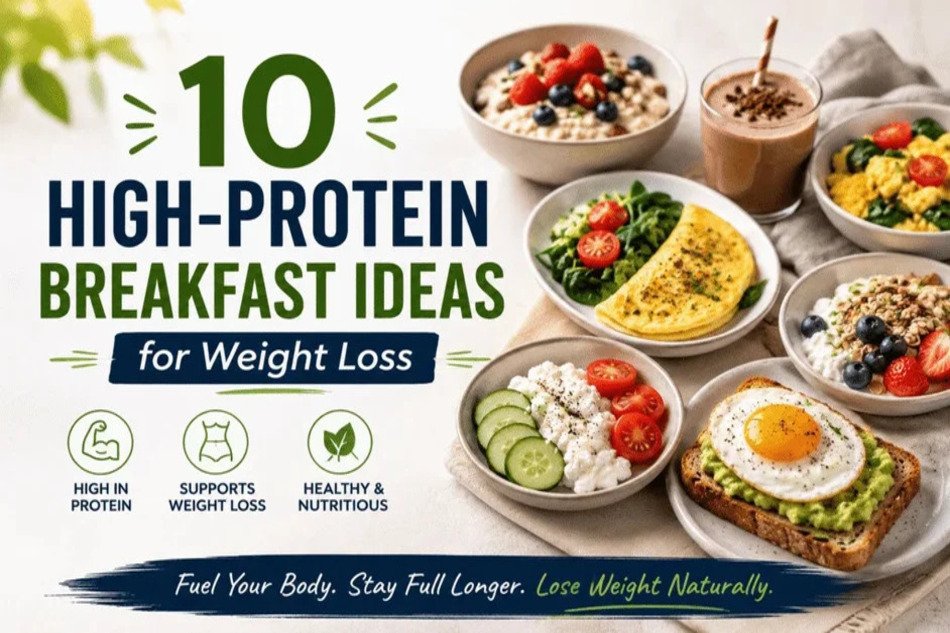
10 High-Protein Breakfast Ideas for Weight Loss
While missing breakfast is not the best way to lose weight, healthy breakfast food can help you shed pounds. A high-protein breakfast is helpful in aiding to suppression of hunger, boosting metabolism, maintaining muscles and keeping you full. Protein packed meals can give a steady release of energy, and help to curb unnecessary snacking during the day, compared to sugary cereals or refined carbohydrates which lead to an energy crash.
We will be discussing 10 healthy and delicious high-protein breakfast ideas for weight loss that are both healthy and easy to make, and will help you feel full until lunch!
List of Breafast Ideas for Weight Loss
1. Greek Yogurt with Berries and Chia Seeds
Greek yoghurt is an excellent source of protein and probiotics, which are important for gut health. Add fresh berries for antioxidants, chia seeds for fiber and healthy fats.
Fiber: 1–2g per serving
How it works: It is rich in protein and fibre which help keep you fuller for longer and aids weight loss.
2. Vegetable Omelette
Eggs contain almost complete quality protein. Make an omelette using spinach, tomatoes, onions, mushrooms and bell peppers.
Protein: 20–25g
Why it’s great: It’s high in nutrients, low in carbs and will keep you full for a long time.
3. Cottage Cheese (Paneer) with fruits
Low fat paneer or cottage cheese is a great vegetarian protein. Serve with apple slices, berries and/or papaya.
Protein: 18–22g
The how: It helps to maintain muscles and decrease cravings.
4. Oats
Next, mix in the oats and Protein Powder. Add the Oats and Protein Powder.
Cook rolled oats in milk and add protein powder. Serve with banana slices, nuts and cinnamon.
Protein: 25–30g
Why it works: Combines complex carbohydrates with protein for long-lasting energy.
5. Peanut Butter Banana Toast
Make whole-grain toast with peanut butter, flaxseeds and banana slices.
Protein: 12–15g
Why it works: A protein, fibre and healthy fat balanced breakfast.
6. Protein Smoothie
Make a protein-rich morning meal with milk, greek yoghurt, spinach, banana, berries and protein powder.
Protein: 25–30g
How it works: Perfect for the busy morning without the need to get up for mid-morning snack.
7. Moong Dal Chilla
This is an Indian breakfast which is prepared from soaked and blended moong dal along with vegetables.
Protein: 14–18g
Benefits: Contains high levels of plant protein, fibre and digestibility.
8. Tofu Scramble
Make a vegan dish by scramling tofu with turmeric, onions, tomatoes and vegetables.
Protein: 18–20g
Why it’s effective: It is low in calorie and high in protein, which keeps the appetite satisfied.
9. Oat Flakes with Nuts
Overnight oats with milk, greek yogurt, almonds, walnuts and chia seeds.
Protein: 18–22g
Why it is good: It’s an easy-to-prepare breakfast that is healthy and satisfying.
10. Besan Chilla has paneer filling
Paneer is a protein-rich source that makes delicious and healthy breakfast pancakes made of gram flour.
Protein: 20–24g
The benefits: It is naturally gluten-free and rich in protein and fibre.
The tips will help you make your breakfast more filling.
- Get 20-30 grams of protein for breakfast.
- Add fruits or vegetables that are rich in fibre.
- Opt for whole grain foods rather than refined foods.
- Include healthy fats such as avocados, nuts, and seeds.
- Stay hydrated by drinking water before breakfast.
Conclusion
What you eat in the morning can be the key to your weight loss. It’s great for hunger control, maintaining muscle health and giving a slow release of energy in the morning. Whether you prefer traditional Indian breakfasts like moong dal chilla or quick options like Greek yogurt or protein smoothies, these meals can help you stay on track with your health goals.
Our goal at Local Health Support is to deliver accurate, actionable and science-backed health information to equip you with better tools to make healthier lifestyle and nutrition decisions.
Disclaimer
This article is provided for informational and educational only and is not meant to be medical or nutritional advice. Dietary needs vary among individuals according to their ages, health status, allergies and activity levels. Please always talk to an appropriately qualified doctor or registered dietitian before making substantial dietary and/or weight-loss changes. Local Health Support is not a substitute for professional medical advice, diagnosis or treatment.