What Is A Silent Heart Attack? Signs You Shouldn’t Ignore
The signs and symptoms of a silent heart attack may include extreme chest pain, sweating and shortness of breath. Not all heart attacks have apparent symptoms. A silent heart attack may occur without any symptom, which makes it hard for the person to even know that there’s been damage to their heart.
Recognising the warning signs and risk factors could help you get medical help earlier and avoid developing more serious heart issues.
What is a Silent Heart Attack?
A silent heart attack (or “silent myocardial infarction”) is the type of heart attack that happens when blood clots can block the blood supply to a portion of the heart’s muscle, which causes damage to the heart.
The symptoms may not be as severe as the symptoms of a typical heart attack, or the symptoms may be unusual or be confused for other symptoms like indigestion, fatigue, or muscle pain. An unknown factor for some is that they might not know if they experienced a heart attack until it is found during a medical check-up or heart-related test.
A silent heart attack can also cause damage, with symptoms that are not as apparent, and raise the chance for future cardiovascular issues.
These are the symptoms of a silent heart attack that can’t be overlooked.
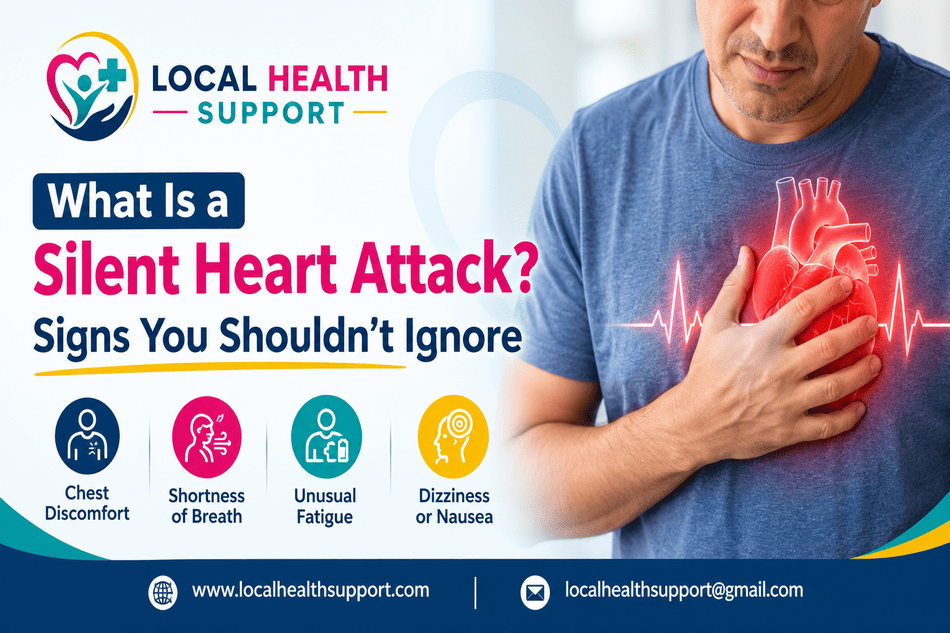
Signs of a Silent Heart Attack You Shouldn’t Ignore
1. Unexplained Fatigue
Sometimes when you feel unusually tired, particularly for no obvious reason, it may be a warning sign. If you are feeling tired on a regular basis or suddenly, do not assume it is a lack of sleep or stress.
2. Shortness of Breath
Shortness of breath while walking or at rest could mean that your heart is not working as well as it should. It should be assessed medically, especially if it comes on suddenly.
3. Mild Chest Discomfort
A silent heart attack can produce mild discomfort, a sense of pressure, tightness or fullness, but not severe pain. The sensation can come and go and sometimes be confused as heartburn.
4. Sweating
Cold sweats for no apparent reason, especially in combination with weakness, nausea or discomfort may indicate a heart issue.
5. Nausea or Indigestion
In some individuals, the nausea, vomiting or symptoms of indigestion that occur during a heart attack. This can make it a very easy condition to overlook.
6. Discomfort in Arm, Back, Neck, Jaw or Shoulder
Chest discomfort isn’t always a sign of heart problems. Sometimes, heart attacks are accompanied by unusual pressure or pain in the upper body parts.
Who is at Risk?
Some things raise your risk for a heart attack:
- High blood pressure
- High cholesterol
- Diabetes
- Cigarette smoking or tobacco use
- Obesity
- Physical inactivity
- Older age
- Family history of heart disease is another factor that increases the risk of a heart failure.
- Previous heart disease
Individuals with diabetes might be especially at risk of a silent heart attack because they may have less of a sensation of classic signs and symptoms.
If you think you’re having a heart attack, what should you do?
Avoid dismissing suddenly or unusual symptoms that might be a sign of a heart issue. If you have chest pain, shortness of breath, fainting, extreme weakness or pain in your arm, jaw, back, or shoulder, go to emergency treatment right away.
A heart attack should NEVER be diagnosed at home. An electrocardiogram (ECG), blood tests like cardiac troponin, imaging and other tests can help identify if heart damage has occurred.
Are Silent Heart Attacks preventable?
While not all heart attacks can be prevented, reducing the cardiovascular risk level can make a difference. A healthy diet, regular exercise, avoiding smoking, controlling blood pressure and cholesterol, managing diabetes and having regular health checkups can all contribute to good heart health.
Conclusion
While a heart attack may not look like the dramatic heart attack you see in movies, it can still result in serious consequences. Knowing the signs and symptoms and what risk factors you are at if you have them, can help you identify the need for medical assistance in time.
Local Health Support is a platform that can assist people to access health information and health support in their local area. However, it should not be used to diagnose or treat a medical condition or emergency.
FAQs
Is it possible to suffer from a heart attack without realizing it?
Yes. The signs and symptoms of a silent heart attack are very subtle or atypical and some people may not attribute them to a heart attack.
How would you know if your heart attack is silent?
This can be identified by examination, for example an ECG, blood tests, echocardiogram or other cardiac tests can be done, sometimes as part of a general health checkup.
Are silent heart attacks serious?
Yes. A silent heart attack can be damaging to the heart even when there is no obvious symptoms and may be a risk factor for further heart complications.
Which is the number one warning sign?
Not all heart attacks have the same symptoms. Any chest discomfort, shortness of breath, sweating, unusual fatigue, nausea or upper-body discomfort that does not go away should be considered serious, particularly if symptoms appear all at once.
Disclaimer
This article is provided for educational and information purposes only. Does not replace a professional medical diagnosis, advice or treatment. If you or a family member or friend has symptoms that could be a heart attack, get emergency medical help right away. Please seek medical professional counselling on a health basis specific to you.