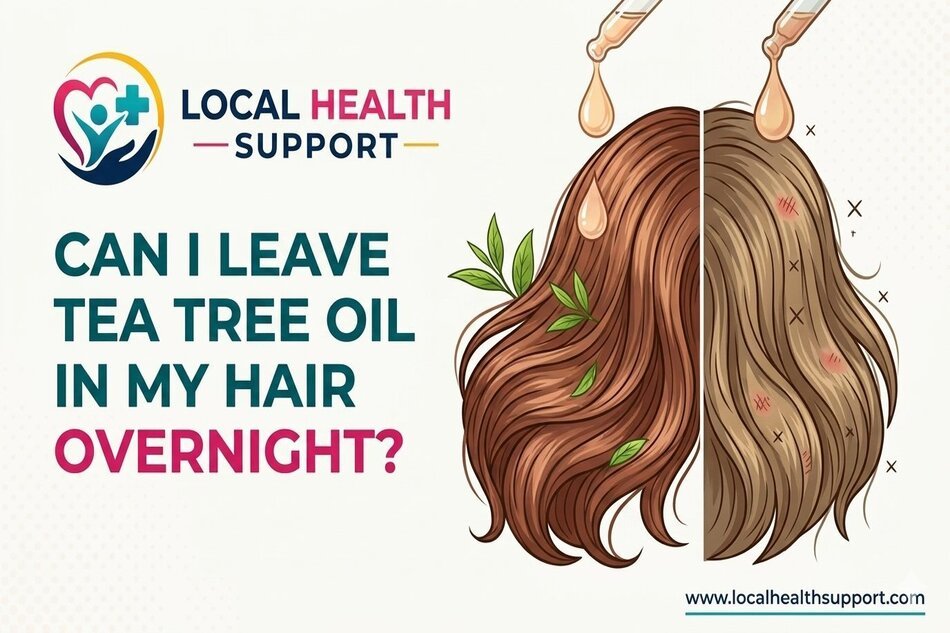
Can I Leave Tea Tree Oil in My Hair Overnight?
The refreshing scent and cleansing properties of tea tree oil make it a popular natural ingredient in hair-care routines. It’s commonly applied to people who want to work with an oily scalp, accumulation, or even occasional scalp discomfort. However, as tea tree oil is a highly concentrated product, the use of tea tree oil in the wrong dosage or with the wrong application method can cause irritation instead of benefiting the skin. So, is it OK to leave tea tree oil in your hair overnight? This is because it depends on how it’s used, your scalp sensitivity and whether the oil is diluted correctly.
Can You Leave Tea Tree Oil in Your Hair Overnight?
Generally, it is not suggested to leave the undiluted tea tree oil on your scalp overnight. Tea tree oil is an essential oil, which is a very concentrated oil. It can be used directly on the scalp but may lead to skin irritation, redness, itching and dryness, especially for sensitive skin.
Usually, tea tree oil should be mixed with an appropriate carrier oil, such as coconut oil, jojoba oil or almond oil, when using it as a hair care product. A well diluted mix can be left on the scalp for a short time before the recommended time limit but overnight is by no means better or more effective.
If this is your first time using it, it is best to use it for a shorter amount of time in a diluted mixture and find out how your scalp reacts before using it for a longer period.
What Are the Potential Benefits of Tea Tree Oil for Hair?
The antimicrobial and cleansing properties of tea tree oil are due to the compounds it contains. Such features are the reason it’s frequently added to scalp and hair products.
Take diluted tea tree oil to help with:
- Maintain an “ideal” scalp environment to keep the scalp feeling clean and refreshed.
- Minimise “over-oiled” or “over-building” sensations
- Maintain a healthy looking hair scalp.
- Soothe occasional scalp discomfort
- Add to an existing hair-care regimen
But tea tree oil is no magic solution for hair fall, dandruff, scalp infection or other ailments. If you are experiencing ongoing scalp problems, it’s more important to understand what is causing your symptoms that to simply put an essential oil in your routine.
What Happens If You Leave Tea Tree Oil Overnight?
If left on the scalp for prolonged periods of time, a highly concentrated essential oil can cause irritation. You could wake up with dry, itchy, red, or uncomfortable skin on the scalp.
Another is allergic contact dermatitis. However, a few people may experience an allergy to tea tree oil without having been allergic to any other essential oils.
Its risk could be higher if the tea tree oil is applied directly to the skin or if it is used in large quantities. The more oil, the better is not necessarily true.
When scalp becomes irritated after application of tea tree oil, wash with gentle shampoo and discontinue applications until irritation is gone. If symptoms are severe or persistent, a health care provider should evaluate it.
How Should You Use Tea Tree Oil on Your Scalp?
However, if you’re going to use tea tree oil in your regimen, it is essential to dilute it.
To use tea tree oil, try mixing it with a carrier oil because it is not recommended to apply it straight onto the skin. Also, you can opt for any commercially available shampoo or scalp product containing the right concentration of tea tree oil.
Do a small patch test on an inconspicuous area of skin before using a new tea tree oil mix in the scalp. Wait and see if there is redness, itching and swelling, or other signs of irritation.
Do not apply tea tree oil directly to sensitive areas such as eyes, mouth or to clothing to avoid possible stinging or irritation. Do not use around children, or pets, as essential oils can be poisonous if swallowed.
Is Overnight Use Necessary?
No. Don’t think that having to leave tea tree oil on your hair overnight will yield greater results.
Appropriate, regular use of a product is generally more beneficial to hair and scalp than extended duration of use. Do not exceed the application time recommended on the instructions if any such time is listed for a particular product.
If you are considering using tea tree oil for dandruff, persistent itching, scaling, redness or hair loss, you should also consider a targeted treatment.
Who Should Be Especially Careful?
Individuals sensitive skin or allergic history should take special care with essential oils. Tea tree oil can aggravate an already bothered scalp, itching, sunburn or inflammation.
Concentrated essential oils should not be used on the skin by pregnant or breastfeeding individuals, children or those with pre-existing skin conditions, unless advised otherwise by a suitable health care provider.
Keep in mind that “natural” does not necessarily mean “safe“. Essential oils are powerful products and need to be handled with care.
What Is the Safest Approach?
The general guidelines for using tea tree oil on the scalp are the same as any other application of the oil—use a dilution that is safe or product that has been professionally formulated, begin with a short time period and watch how your skin reacts.
Discontinue use if burning, excessive itching, redness, swelling or rash occurs. If symptoms persist or worsen, do not try to “treat at home” but talk to a health professional.
Conclusion
Concentrated tea tree oil isn’t a good idea to leave on your hair overnight, but this essential oil can be a helpful component in some hair care products. It is potent and can cause an allergic reaction or dryness if used for too long or not properly. If you decide to use it, dilute it as directed on the product, follow the instructions and test first on your own skin. Local Health Support, a healthcare platform, provides helpful health information and guidance on hair, scalp, and other health issues.